


Do You Know Which One Is Worse
A question that we get asked a lot is “What is the difference between wet and dry rot?” The answer to this question is actually very simple; wet rot requires higher moisture content than dry rot in order to grow. Read on to find out about further differences between wet rot and dry rot.
Where Does Wet Rot Grow?
Wet rot grows on porous surfaces such as timber where there is moisture content of at least 50%. Wet rot can often lead to major structural damage if it is left to grow unchecked as it can weaken timber.
Moisture content this high often is a result of defective plumbing, gutters, downpipes or stone pointing. If you spot a defective pipe then it is worth checking out your property to ensure there are no signs of growth. Fortunately, wet rot does not spread through masonry and the growth of wet rot will cease when the moisture is removed.


Where Does Dry Rot Grow?
Although the name dry rot suggests that no moisture is required for it to form dry rot actually requires moisture content of around 20%. A major, and important, difference between dry rot and wet rot is that dry rot will often occur in areas of the property that cannot be seen. This can lead to significant damage before the problem has been identified.
These areas are often attics or underfloor areas that have poor ventilation and therefore a higher-than-normal moisture content.
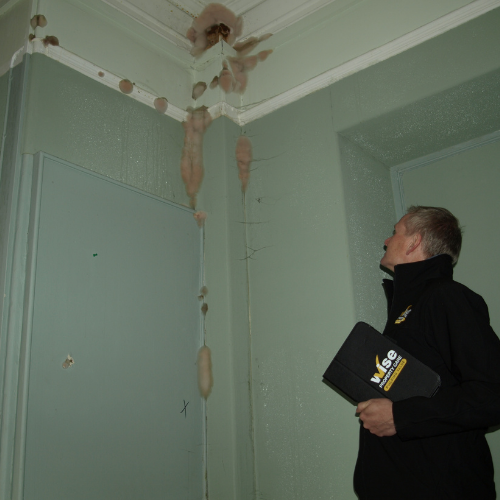
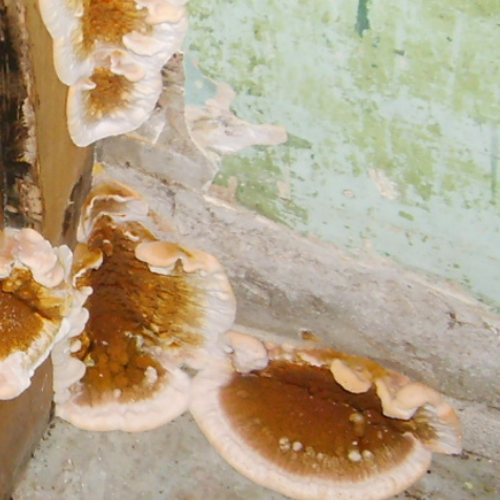
Differences In Appearance
Wet rot identification:
- Look out for black fungus growing on timber.
- It will feel soft and spongy and likely darker than surrounding timber.
- If it has dried out it will easily crack and crumble into fine pieces.
Dry rot identification:
- The timber will be brown in colour and will easily crumble in your hand.
- There could be silky white sheets.
- There could be a ‘fruiting body’ growing on the timber.
Contact An Expert
If you suspect that you have a form of rot in your property call an expert at Wise Property Care today or contact us online by clicking the button below.
Leave a Reply