

Discovering black spot mould in the very room where you sleep is deeply frustrating and a frequent source of health anxiety.
A bedroom should be a sanctuary for rest and recovery, yet for many homeowners and tenants across Scotland, it becomes a battleground against persistent dampness. Wiping away dark patches only to watch them return weeks later is an exhausting cycle.
To win the battle against bedroom damp, you must look beyond surface-level cleaning.
Understanding why mould forms, identifying the hidden hotspots, and improving ventilation and air flow are the only ways to eliminate it and keep your indoor air clean and safe.
Why Am I Getting Mould in My Bedroom?
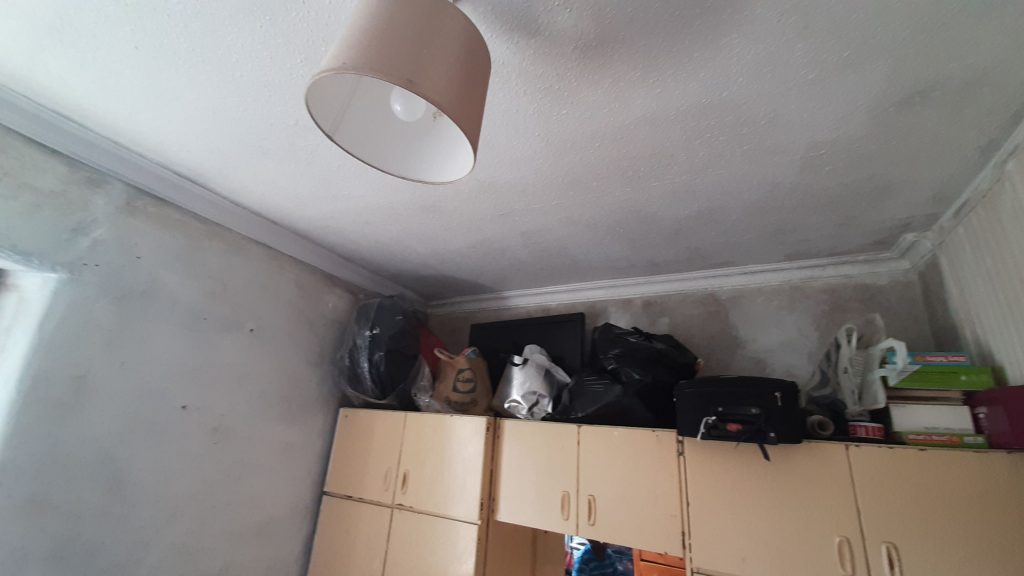
The primary driver behind bedroom mould is often a lack of ventilation and cold outside walls that provide a surface for condensation to form on. In older properties, the walls will be solid, not cavity and particularly if North facing, will be cold. If large items of furniture, such as wardrobes, are placed close to the wall, condensation and mould will form, encouraged by a lack of air circulation.
Every human body releases significant moisture into the indoor environment overnight simply through breathing. In fact, two adults can add over a litre of water vapour to the air while sleeping. When this moisture-heavy air cannot escape through ventilation, it moves toward the coldest surfaces in the room, such as external walls or window glass. Once the air hits the dew point where the moisture vapour condenses into liquid water, mould spores can germinate in 6 hours. Although most moulds grow best at 70-80% relative humidity, some can grow at lower humidities. Leather is often the first material to show mould growth and give an indication of ventilation issues.
This persistent moisture provides the perfect breeding ground for dormant mould spores to germinate and thrive.
What Does Mould Look Like? (Identifying Bedroom Outbreaks)
Mould is a biological fungal growth that can manifest in several distinct structural forms, depending on the surface and the severity of the damp problem.
Key visual cues and common bedroom hotspots include:
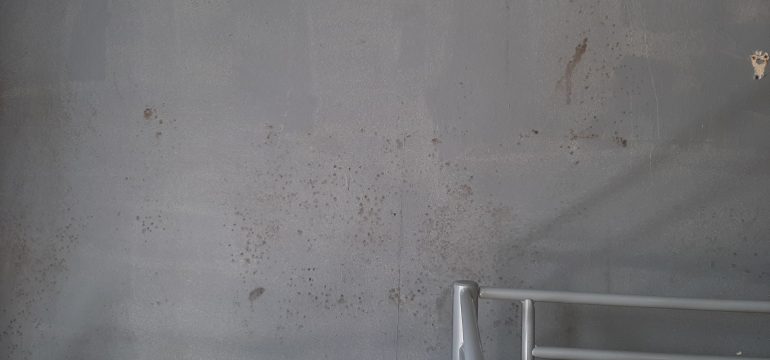
- Black Spot Mould: Typically appears as pepper-like black spots clustering along cold window frames, behind headboards, or along external wall plaster.
- Fuzzy Patches: You may find soft, fuzzy green, white, or grey patches blooming behind wardrobes and heavy furniture where air remains completely stagnant.
- Ceiling Corners: High-level staining and dark spots along top ceiling corners often indicate structural cold bridging where upper walls meet the roof. If there are straight edges to the outbreak, this often means insulation is missing in the loft.
Is Bedroom Mould Dangerous to Your Health?
Yes, Moist stale air may contain mould spores, dust mite allergens and volatile organic compounds (from cleaning products, hair spray, deodorant, scented candles, etc.), which can contribute to Asthma symptoms.
Mould in itself is not normally the problem, unless the person is immunosuppressed, very young, elderly or has a specific allergy.
This health risk was thrust into the spotlight by Awaab’s Law, a landmark piece of legislation named after a toddler whose tragic death was directly linked to severe, untreated mould exposure in his home. Awaab’s Law will be introduced into Scotland on 6th October 2026 via the Investigation and Commencement of Repair (Scotland) Regulations 2026.
Awaab’s Law enforces strict mandatory requirements on social housing landlords to investigate and resolve damp and mould hazards within a fixed time period, in accordance with the regulations.
Cleaning Mould Off Walls: A Step-by-Step Guide
If you discover a mould outbreak, it must be removed carefully to avoid spreading the fungal spores into the surrounding air.
Step 1: Safe Removal Practices and PPE
Always wear basic personal protective equipment (PPE), including a protective face mask, rubber gloves, and safety goggles.
Ensure all soft furnishings, bedding, and clothes are moved away or covered before starting. The room door should be closed, and good ventilation should be provided by windows to ensure surfaces can dry.
Step 2: Evaluate What Kills Mould
While household home remedies like white vinegar or dilute bleach can clean superficial markings, they often leave the fungal hyphae intact within the paint film. For an active outbreak, utilise a specialised retail fungicidal wash designed to break down the biological structure of the fungus and eliminate hidden elements.
Step 3: Why Painting Fails Without Ventilation Repairs
A massive misconception among DIYers is that you can simply apply a coat of standard paint or a cosmetic stain-blocker directly over a damp patch.
Painting straight over damp and mould without dealing with the root cause ensures a swift return. You must treat the mould growth, improve ventilation, and address the underlying cold spots to achieve a lasting result.
How to Stop Mould From Forming in a Bedroom
Preventing mould from returning requires modifying the internal environment so that the fungus can no longer find the conditions it needs to survive.
- Daily Ventilation Habits: Maximise cross-flow airflow by regularly opening your windows or trickle vents, or implementing active passive airflow adjustments. Utilising modern mechanical ventilation solutions ensures a continuous supply of fresh air without dropping internal room temperatures.
- Intelligent Furniture Placement: Ensure you leave a clear gap of at least 50mm between heavy wardrobes or drawers and any external walls. This avoids trapping stagnant air and creating localised cold spots behind your furniture. This is particularly important when the walls are of solid construction or north-facing.
- Consistent Heating: Keep your heating on a consistent, low ambient setting rather than blast-heating the room intermittently. Keeping the wall surfaces uniformly warm prevents airborne moisture from hitting its dew point on the plasterwork. World Health Organisation (WHO) Guidelines suggest indoor air quality in living areas is best around 18-20ºC, 50-60% RH and with a minimum 10litre/second ventilation rate, which is easily achieved with a quarterlight open.
Professional Interventions by Wise Property Care
Wiping down walls is only a temporary mask. If your bedroom mould is caused by an underlying structural issue or a major ventilation failure, a professional survey is required to protect your property.
At Wise Property Care, our CSRT (Certificated Surveyor in Remedial Treatments) and CSTDB (Certificated Surveyor of Timber and Dampness in Buildings) qualified surveyors use advanced technical equipment to accurately evaluate your home for damp and mould problems.
We determine whether your problem is caused by a condensation issue or structural problems such as penetrating damp or rising damp (for ground-floor bedrooms). We provide tailored solutions backed by our industry-trusted 20-year guarantees across our local Scottish branch network.
Conclusion: Take Control of Your Indoor Air
Bedroom mould is an unwelcome, unhealthy intruder that requires more than a temporary quick fix to defeat. By changing how your bedroom breathes and manages heat, you can stop condensation in its tracks and protect your health.
Tired of fighting a losing battle against bedroom damp? Book a professional survey with Wise Property Care today to locate the root cause and secure a permanent solution.