
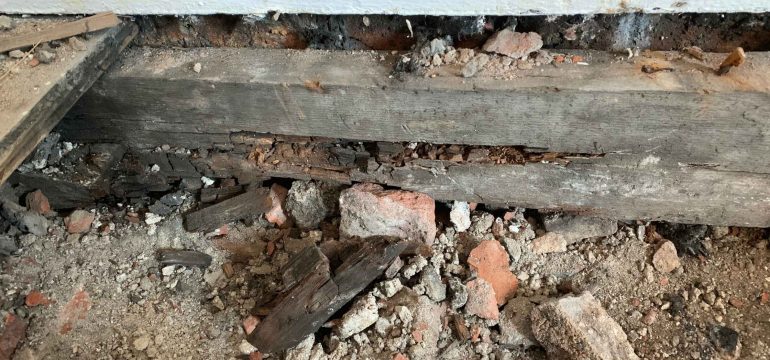

Rotting wood in a property can be concerning, but it’s not uncommon in cold and damp places. The key is knowing what you are dealing with, and acting on any signs quickly. Wood rot doesn’t just go away on its own, and left untreated can spread.
The right course of action depends on which type of wood rot you have: wet or dry. Understanding the cause behind rotting wood in your house affects treatment options, so it’s important to get an accurate diagnosis at an early stage.
Step One: Identify Your Rot Type
This is worth taking the time and effort to get right as wet rot and dry rot require completely different approaches.
Wet Rot
The more common of the two, wet rot needs high moisture levels to survive. Once the source of the damp is fixed, wet rot stops spreading.
Signs of wet rot include:
- Dark or discoloured wood
- A soft and spongy texture when pressed
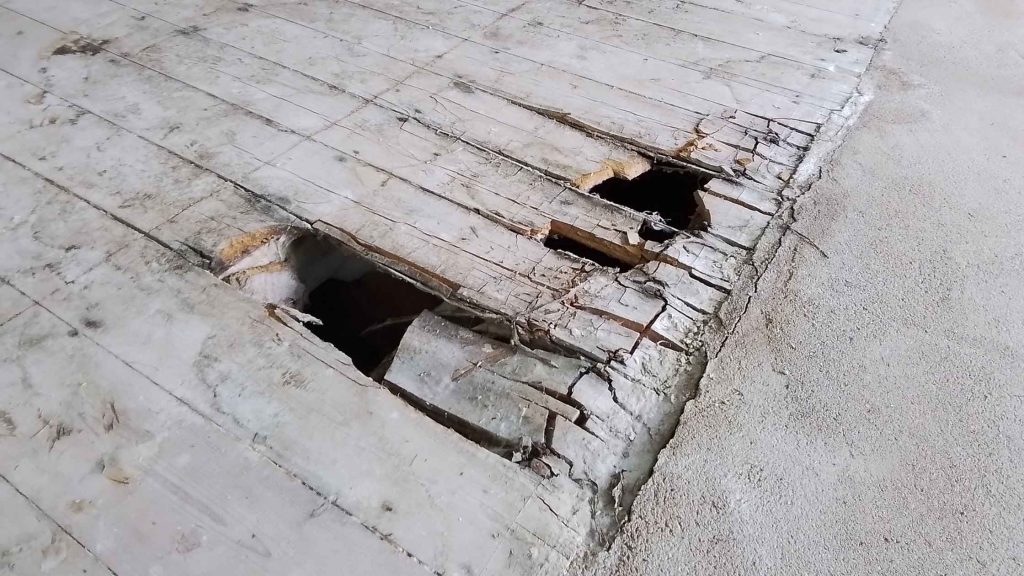
- Cracked or crumbling wood
- Flaking paint with dark staining underneath
- A musty, damp smell
Dry Rot
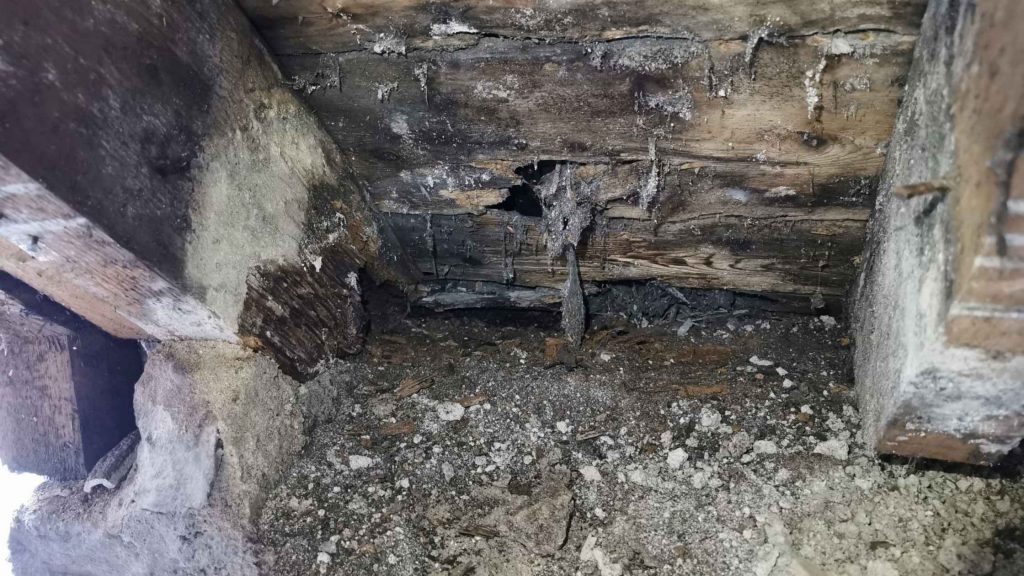
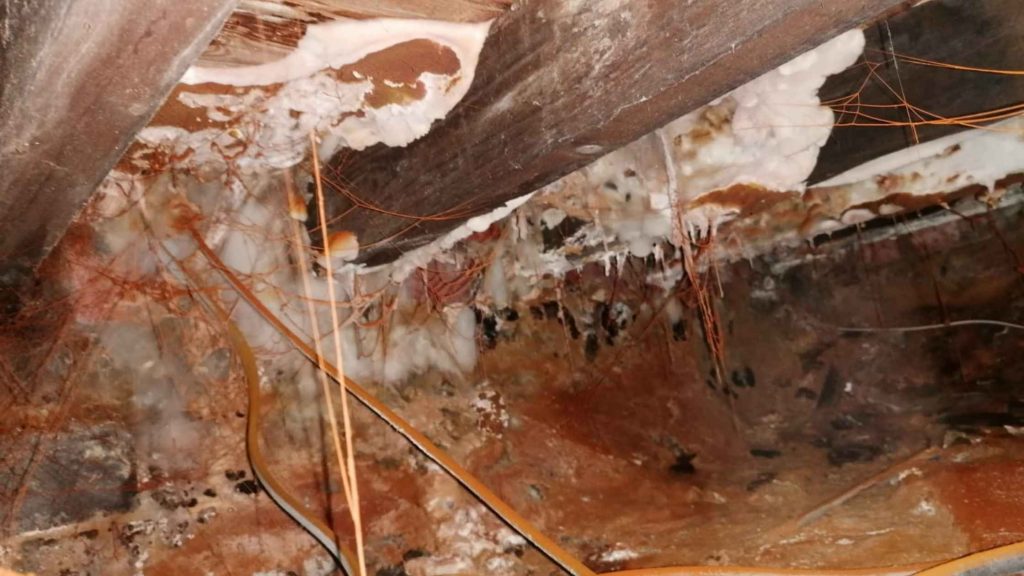
Dry rot needs less moisture to get started, and is usually a more serious problem than wet rot. Dry rot produces strands that carry moisture through walls, plasterwork, and masonry to timber in other places in a property. By the time dry rot is visible, it has often already spread.
Signs of dry rot include:
- Timber cracking into cube-like sections
- Shrinking, darkening, or warping wood
- White ‘cotton wool’ growth on surfaces
- Flat fruiting bodies forming in gaps above skirting boards and floorboards
- Fine rust-coloured spore dust
- A distinctive damp, mushroom-like smell
Confusing the cause behind rotting wood could be a costly mistake, so it’s recommended to ask a professional to diagnose the type of rot before starting treatment.
Step Two: Find the Moisture Source
Finding and fixing the source of moisture is essential when dealing with rotting wood in your house.
Wood rot fungi need damp conditions to survive. Remove the moisture and you take away the conditions that allow rot to spread. Wood rot treatments will not be successful if the moisture source isn’t tackled too.
Common causes of moisture in properties include:
- Leaking or damaged roof coverings
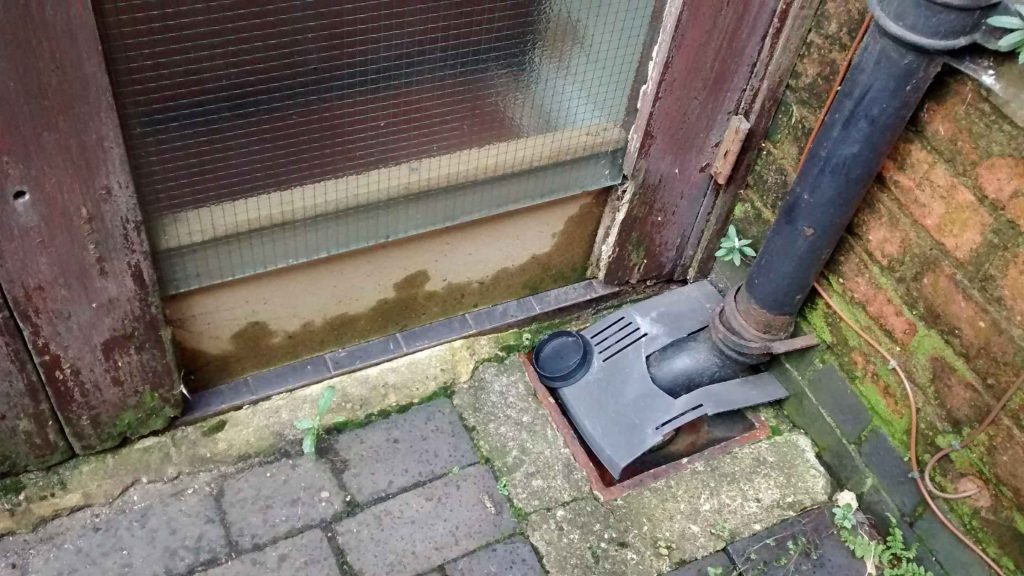
- Blocked or overflowing gutters and drains
- Plumbing leaks
- Rising damp affecting ground floor timber
- Penetrating damp through walls and around windows
- Poor ventilation in sub-floor spaces, basements, or roofs
Moisture sources are often hidden beneath floors, inside wall cavities, or in roof spaces, meaning these aren’t always easy to find without specialist equipment.
Step Three: Assess the Damage
Once the type of rot and moisture source have been identified, you need to understand how far the damage has spread. This isn’t always easy, as rot often develops out of sight.
A simple test is to push a screwdriver firmly into the surface you suspect has rotting wood. If it sinks in easily or the wood crumbles, the structural integrity has been compromised and the rotted wood will need replacing.
It’s important not to confuse wood rot with woodworm damage. While they both cause timber damage, they require completely different treatment. Ask a professional surveyor to accurately identify the cause behind damaged wood.
Damage from wet rot is usually contained to the area of damp timber. Dry rot spreads much more easily, so professional treatment should not be delayed if you suspect dry rot is behind rotting wood in your house.
Step Four: Book a Professional Survey
For most wood rot problems, professional support is strongly recommended. Visible damage is rarely the full picture, and specialist knowledge and equipment is needed to find the full extent of the problem.
A professional damp and timber survey will:
- Confirm the type of rot and identify all affected areas, including in hidden or hard-to-reach places
- Locate the moisture source and identify any related damp or ventilation problems
- Assess if structural timber has been compromised and is in need of repair
- Provide a clear, detailed report with tailored recommendations for treatment and repair
Step Five: Treating Wood Rot
Once a professional survey has identified the type of rot, the extent of the damage, and the moisture source has been resolved, repairs can begin. The treatment process varies depending on the type of rot identified.
Wet Rot Treatment
Treating wood affected by wet rot involves applying fungicidal products to the remaining timber to protect during the drying phase, to kill any spores and protect against future outbreaks. Any timber that has lost its structural integrity will need to be removed and replaced.
Dry Rot Treatment
The process for treating dry rot is more extensive. Because of the way dry rot spreads through hidden strands across and through materials, affected timber must be cut back beyond the visible damage. Surrounding masonry and plasterwork may also need to be treated with fungicide, and all replacement timber pre-treated to prevent future outbreaks. If anything is missed, or if the moisture source is not resolved, the dry rot will return.
Why Choose Wise Property Care for Wood Rot Treatment?
Wise Property Care’s team of CSRT and CSTDB qualified surveyors have been identifying and treating timber decay across Scotland for more than 25 years. Treatment is only ever recommended when it is needed, meaning you can trust our recommendations are in the best interest of your home or property.
All treatments are detailed in your survey report, and work is guaranteed for up to 20 years to give you long-term peace of mind that the problem has been solved.
Frequently Asked Questions
Is rotted wood a health hazard?
Rotting wood is not directly harmful, but the damp conditions that cause it can lead to structural failure, mould growth and the release of spores that can aggravate asthma and other respiratory conditions.
Can you stop wood rot once it starts?
Yes, but only once the moisture source has been resolved. For wet rot, fixing the damp and treating remaining timber with fungicide whilst it dries is usually sufficient to stop an outbreak.
Stopping dry rot is a more extensive process. Affected timber needs to be cut back and replaced past any visible damage, and surrounding masonry and plasterwork must be treated with fungicide. Replacement timber also needs to be pre-treated.
What happens if wood rot is left untreated?
Untreated wood rot will continue to spread and cause damage if a moisture source is still present. Over time, wet rot causes structural damage in joists, floorboards, and other timber. Dry rot can spread throughout an entire property, leading to expensive remedial work. The earlier rot is identified and treated, the simpler and more cost-effective treatment will be.