
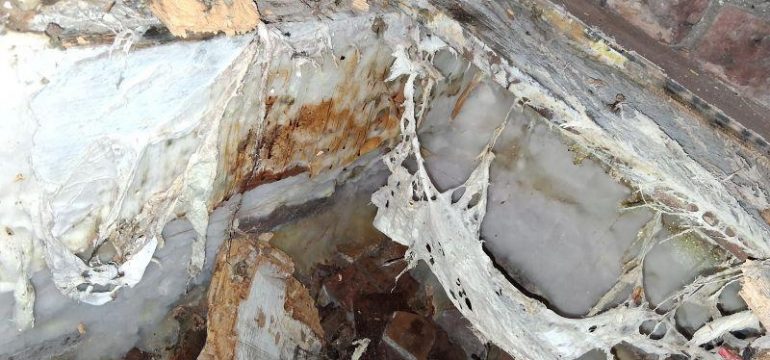

Dry rot (Serpula lacrymans) is a serious problem affecting properties in Edinburgh. The combination of older buildings and year-round gentle rainfall creates conditions where dry rot can take hold quickly. Dry rot is a type of fungal decay that attacks and consumes timber, causing it to lose its strength and structural integrity. Dry rot spores exist naturally in the air around us, but only become a problem when they land on damp timber and germinate. Left undetected it can spread, causing significant structural damage.
This means knowing the signs to look out for is the best way to catch it early.
What Are the Signs of Dry Rot in Edinburgh Properties?
Dry rot often develops out of sight in damp sub-floor spaces, lofts, and behind plasterwork. By the time it’s clearly visible, it’s often already spread. Here are the signs to look out for.
Early Warning Signs
- A musty or mushroom-like smell, particularly near floors, skirtings or in cupboards
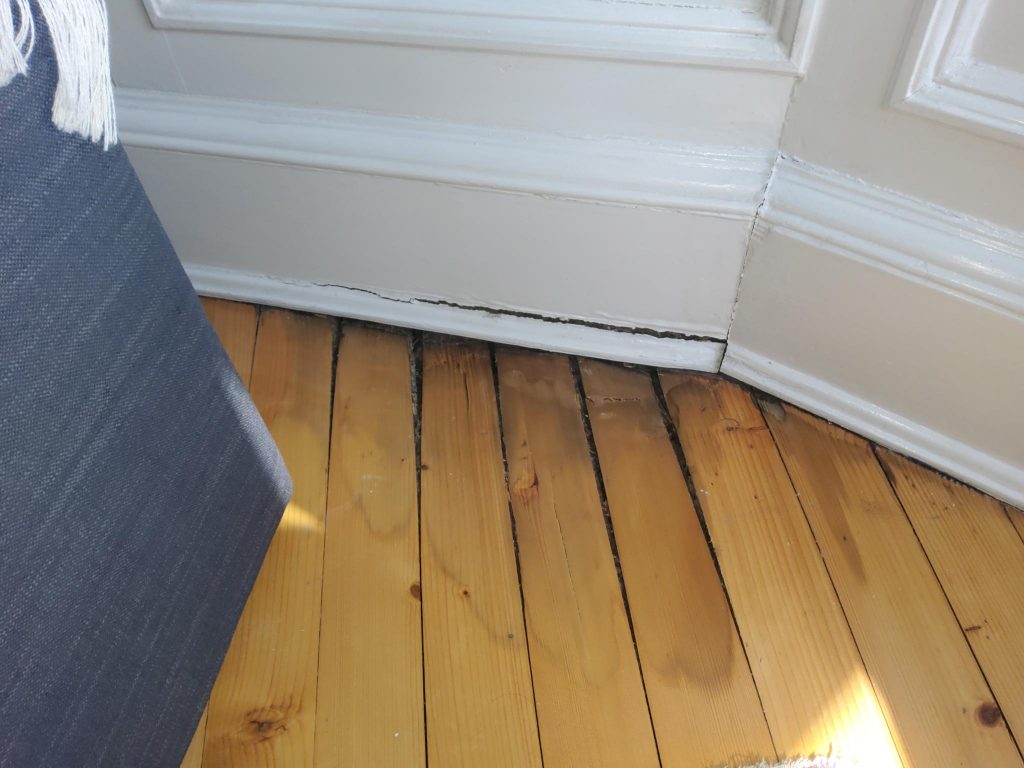
- Doors or windows that suddenly stick or no longer sit square in their frames
- Floors that feel springy or bouncy underfoot, particularly near walls
- Bubbling, staining or peeling paint or plaster on walls near timber
- Visible damp patches without an obvious source
Signs of Active Dry Rot
- White or grey cotton-wool-like growth on timber or masonry
- Fine orange or rust-coloured spore dust on floors or surfaces
- Deep, block-like cuboidal cracking in timber
- Rust-coloured fruiting bodies (sporophores) on timber or walls.
- Timber that crumbles or feels hollow when pressed
If you notice any of these signs of dry rot, act quickly. Unlike wet rot, dry rot doesn’t need a persistent source of moisture to keep spreading. It creates mycelium that travels through masonry, behind plasterwork, and across different floors of a building. It can also produce strands that transport moisture to drier areas. This makes dry rot hard to contain, and the longer it’s left, the bigger a fix will be needed.
Why Edinburgh Properties Are Vulnerable to Dry Rot
Homes and commercial properties in Edinburgh face a combination of factors that make them susceptible to dry rot. Understanding these helps explain why it’s such a big problem for property owners in the city.
1. Edinburgh Climate
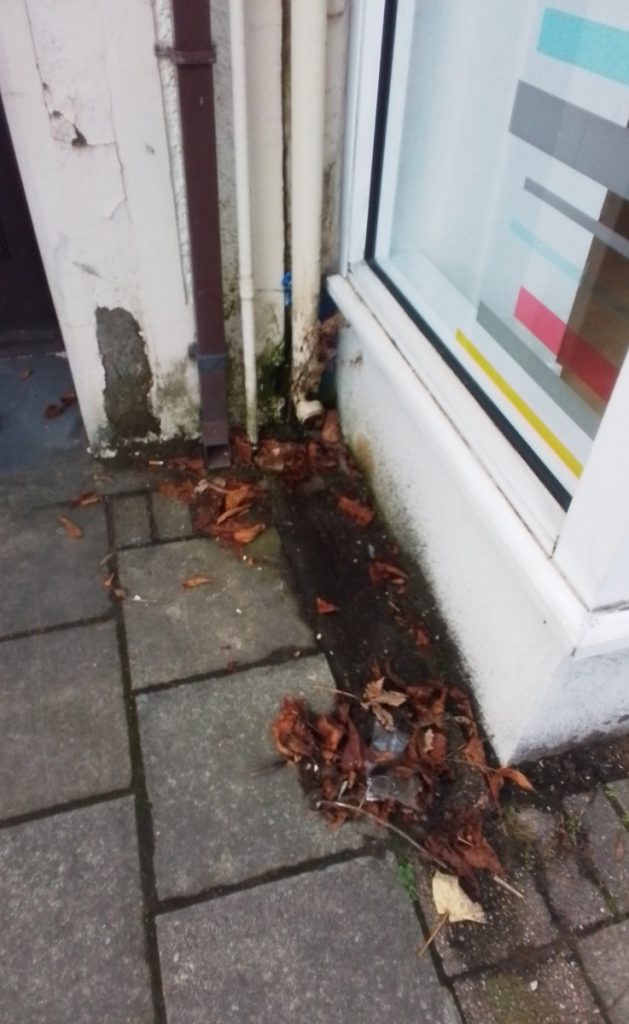
The weather in Edinburgh is rarely dry for long. Rainfall is spread across the year, and the cool, damp conditions that come with it create the environment that dry rot spores require to germinate. Even a minor building defect like a slipped roof tile or blocked gutter could be enough to let moisture in and put timber at risk of both wet rot and dry rot.
2. Older Buildings
Much of Edinburgh’s housing predates modern building standards, from the medieval buildings of the Old Town, the Georgian terraces of the New Town, and the Victorian tenements across the city. These older properties were built before cavity walls became common, meaning moisture can travel directly through stone and masonry to timber inside.
Edinburgh’s iconic sandstone also puts buildings at risk for damp and dry rot. Sandstone is naturally porous and absorbs moisture easily, making it prone to erosion and letting water in more readily than other building materials. It also releases that moisture slowly, which is ideal for dry rot growth.
Most properties also still have original timber, with floor joists, roof timbers, and skirting boards dating back generations. This older timber was typically untreated, meaning it has no chemical protection against fungal decay. This means that once moisture reaches it, dry rot spores can quickly germinate.
Many properties in Edinburgh are listed or sit within conservation areas, which can make repairs complex to arrange. Listed building consent may be required before replacing timber or altering original features, which can take time, and allow timber decay to cause more damage.
Poor subfloor ventilation also commonly leads to dry rot. Suspended timber floors commonly found in Edinburgh can also be a risk factor, as can the small cavity behind lath and plaster walls. If ventilation to these spaces is missing or blocked, the conditions for moisture can thrive.
3. Building Defects
Edinburgh’s older buildings can be susceptible to damage that allows moisture to enter and affect timber. Plumbing leaks, damaged roofs and chimneys, defective masonry, and damp entering through cracks or failing seals can all be the first step to dry rot taking hold.
Shared properties can also present challenges. Defects in shared areas like the roof or gutters affect all owners but need collective agreement to fix under the Tenement Management Scheme. This means repairs can take longer than they should, allowing dry rot to take hold before supposedly minor leaks or cracks are fixed.
Edinburgh has a busy rental market, from student lets to short-term lets during the Fringe. In rented properties, early signs of dry rot can go unnoticed if landlords are not regularly on site to inspect the property or if damp issues reported by tenants aren’t checked and fixed quickly.
How to Handle Dry Rot in Edinburgh Properties
If you’ve spotted any of the telltale signs of dry rot in your home or commercial building in Edinburgh, the most important thing is not to bury your head in the sand and hope it goes away. Dry rot doesn’t just stay put, and needs attention to stop it spreading and causing structural damage across your property.
It can be difficult to know whether a damp problem is dry rot, or another type of timber decay. We always recommend that property owners that suspect dry rot should start with a professional damp and timber survey.
A surveyor will inspect the property to find the source of moisture, and assess if damage is caused by dry rot or something else. If dry rot is confirmed, treatment will involve finding and fixing the source of moisture, removing affected timber, and applying fungicidal treatments to prevent the problem returning.
For those buying a property in Edinburgh, a specialist survey can help set your mind at ease. In Scotland, sellers are required to provide a Home Report before marketing, but this is not a specialist survey and may not identify hidden dry rot. If the report flags any concerns about damp or timber, arranging a specialist damp and timber survey before proceeding is strongly recommended. This can also be a condition of your mortgage offer.
Wise Property Care’s team of CSRT and CSTDB qualified surveyors local to Edinburgh have extensive experience across the full range of property types, from Georgian New Town flats to Victorian tenements and listed buildings.
We understand what makes Edinburgh properties susceptible to dry rot, and provide tailored treatment recommendations in a clear written report. Contact our Edinburgh team today to book a damp and timber survey. The sooner the signs are investigated, the sooner you will know what you are dealing with.
Leave a Reply