Signs of Woodworm
Identify the common signs of woodworm in your property

For your Local Experts call us on 0808 301 8231 or Book A Survey Online
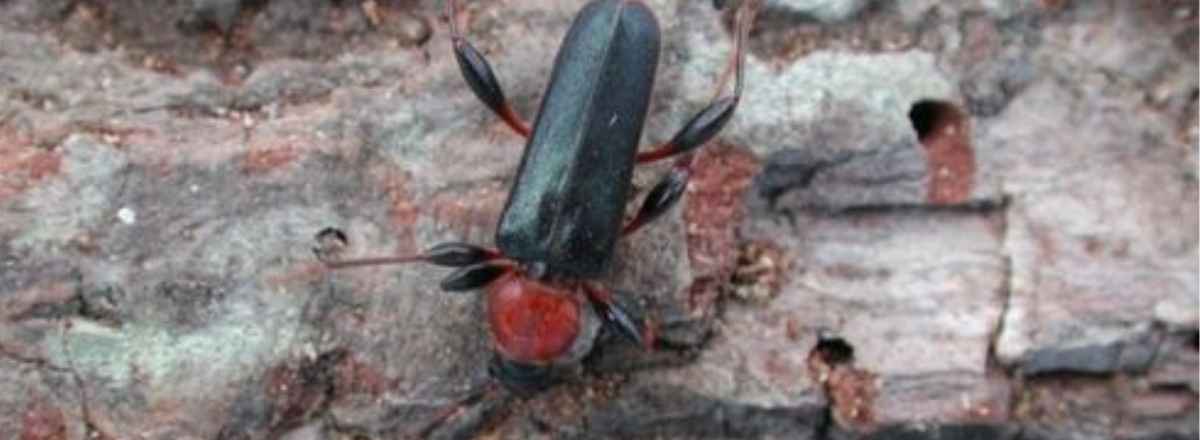
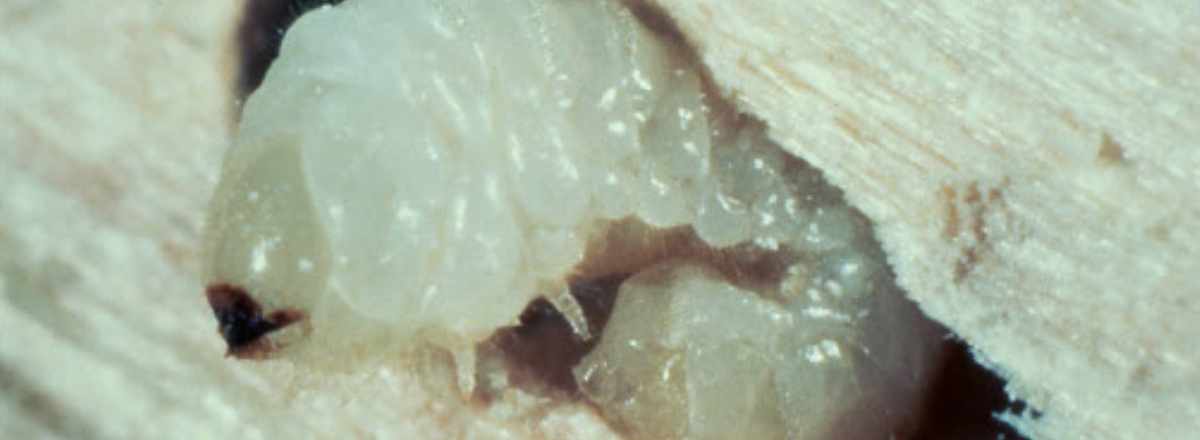
Woodworm is the term used to describe the larvae of several species of wood-boring beetle. These larvae live and feed inside timber for years, causing structural damage before emerging as adult beetles.
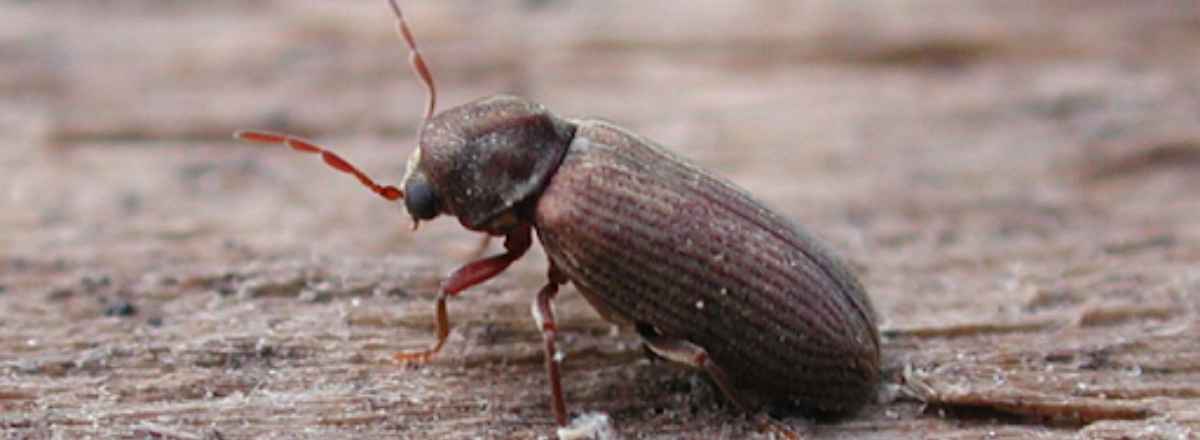
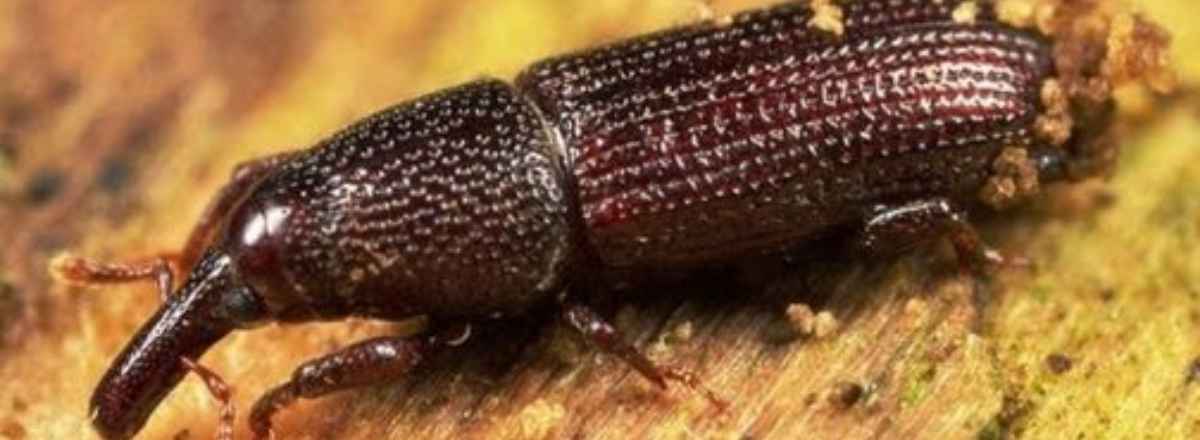
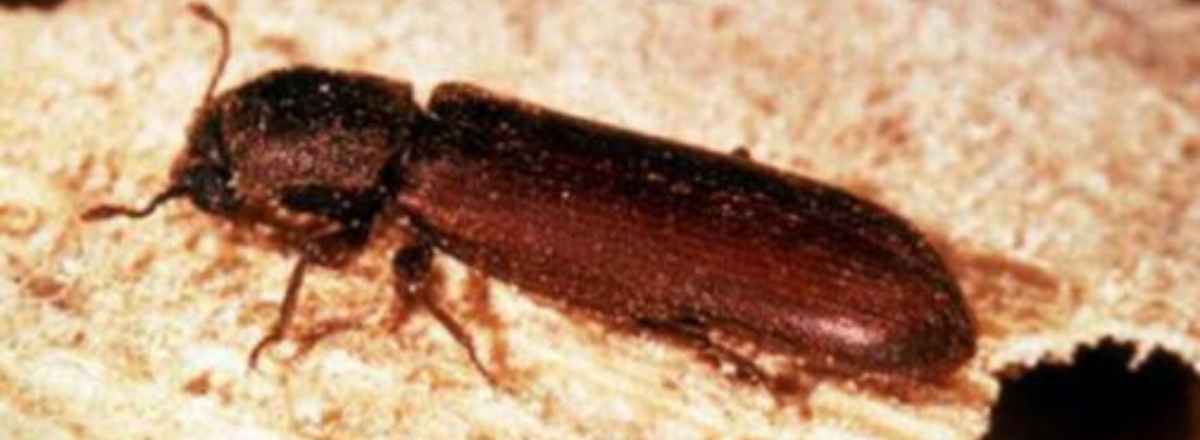
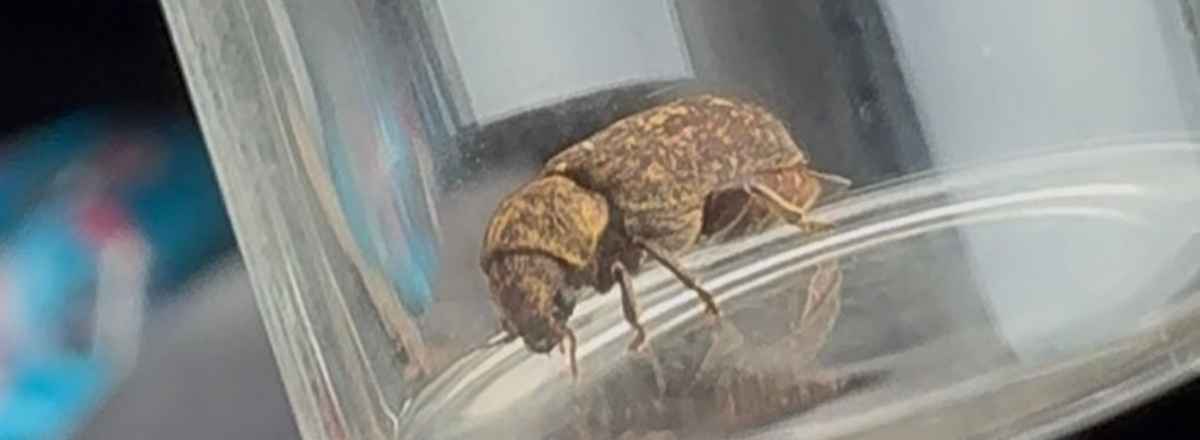
The first step to protecting your property from woodworm is knowing what woodworm looks like: both as different types of beetle and their larvae, and the telltale signs of woodworm damage.
If you think you’ve seen the signs of a woodworm outbreak, think you’ve spotted a wood-boring beetle in your property, or had woodworm flagged during a homebuyer’s survey, a professional timber survey from our woodworm specialists can give you a definitive answer.
Knowing how to tell if you have woodworm starts with understanding the physical signs of damage rather than trying to spot the larvae themselves.
Wood-boring larvae often take up to five years to work their way through wood before emerging in their adult form. This means that the damage is often already done by the time homeowners see beetles.
If you spot signs of woodworm, it’s important to contact a specialist to find out if an infestation is still active. Even if the beetles have already emerged, they may have laid more eggs that will continue the cycle.
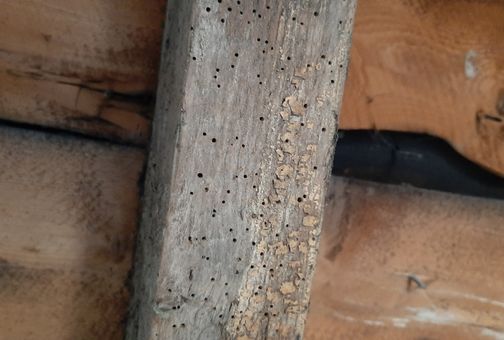
Round or oval holes where adult beetles have bored out of timber. Fresh holes are sharp, clean, and pale, while older holes look darker and dusty. Exit holes vary in size from 1mm to 8mm, depending on the species of beetle.
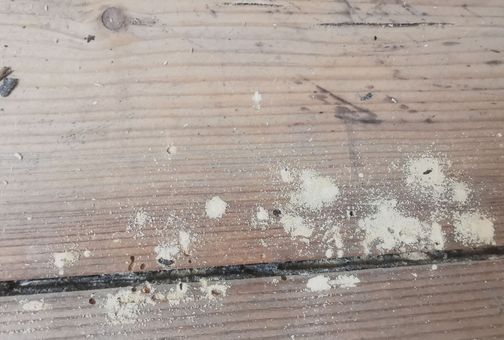
Frass is a fine powdery dust visible around or underneath exit holes that is formed out of the droppings of larvae. Older frass can be darker and compacted. Texture varies by species so is a key identification tool.
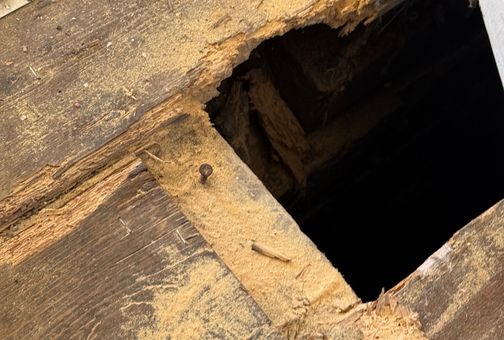
Woodworm-damaged timber feels soft, spongy, or crumbles if pressed. Floorboards may be springy or uneven. By the time timber is visibly weakened, internal damage is likely to be extensive.
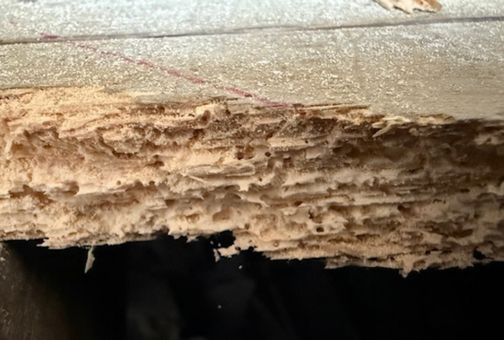
Larvae create networks of tunnels as they feed through timber and eventually emerge. Tunnels aren’t visible on the surface, but can be seen when timber is cut. Internal timber structures can be almost entirely consumed in severe cases of woodworm.
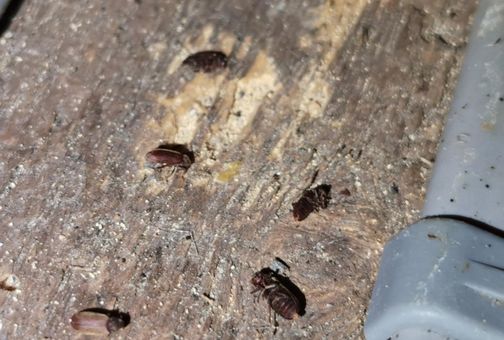
Adult beetles emerge in April to September around three to five years after eggs are laid. They are commonly found on windowsills and other light sources as they are drawn to light. Wood-boring beetles only live for a matter of weeks after emerging from wood, so seeing dead beetles is common and does not mean an infestation is no longer active.
Correctly identifying the type of wood-boring beetle is essential before treatment begins. Different species target different timber, act in different ways, and require different approaches.
Woodworm larvae characteristics differ by species, but tend to be cream-white and grub-like with a darker head. It is rare to see a woodworm larva, as they live entirely inside timber and are rarely visible without cutting wood open. If you do spot larvae on a surface in your home, it is likely from a different species entirely, which is another reason why professional identification matters before any treatment is carried out.
If you’ve spotted signs of woodworm in your property, a professional damp and timber survey is the right first step.
A Wise Property Care surveyor will confirm whether the infestation is active, identify the species involved, assess moisture levels and timber condition throughout your property, and provide a clear report with honest recommendations. Woodworm treatment is only ever recommended where it is genuinely required.
Wise Property Care has a number of PCA qualified surveyors operating across Scotland from our network of local branches.