Dealing with Damp
A damp survey identifies the cause, so you get the right treatment first time.

For your Local Experts call us on 0808 301 8231 or Book A Survey Online
Identifying the cause of damp is the first step to solving it. Common damp problems in Scottish properties are usually caused by condensation, penetrating damp, or rising damp, each with its own underlying causes and treatment needs.
Damp is more than a cosmetic problem. What can appear as a minor issue on the surface can lead to mould growth, damage to plaster and timber, and structural problems that become increasingly difficult to fix.
Unsure what’s causing damp in your home or commercial property? A damp and timber survey can identify the cause and provide honest recommendations.
Condensation, penetrating damp, and rising damp are the three most common types of damp affecting Scottish properties. Each can be caused by different problems, appear in different ways, and require different solutions.
| Condensation | Penetrating Damp | Rising Damp | |
| Cause | Moisture created from inside the home | Water entering through building defects | Groundwater rising through masonry |
| Where it appears | Cold surfaces, behind furniture, north facing walls | Any height near a building defect | Ground floor only, around skirting board level |
| Key signs | Black mould, steam on windows and mirrors, wet walls and surfaces, stained walls and ceilings | Damp patches that appear after rainfall, that fade as it dries | Tide marks with white or coloured salt deposits |
| Find out more | Learn more about condensation | Learn more about penetrating damp | Learn more about rising damp |
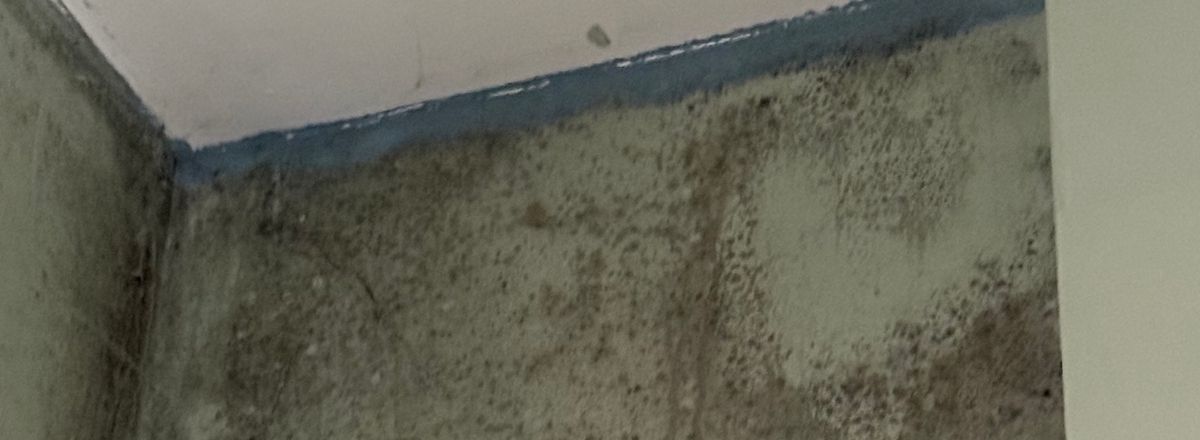
Condensation is the most common cause of damp in Scotland, affecting as many as one in five properties. It happens when warm humid air meets cold surfaces and turns into water droplets. Condensation often forms on external walls, windows, and other surfaces. It can usually be identified by steamed up windows and mirrors, and in more severe cases, wet and stained walls and ceilings.
Scottish homes are particularly prone to condensation. The colder climate means condensation has more of a chance to settle, making homes damp and leading to a number of issues.
Left untreated, condensation can lead to black mould, which can often be found in areas with limited airflow such as behind furniture and around windows. Black mould can be harmful to health, so it is important to tackle the causes of your condensation problem to stop it coming back.
If you are dealing with a condensation problem, find out how to stop condensation or book a damp and timber survey for professional advice.
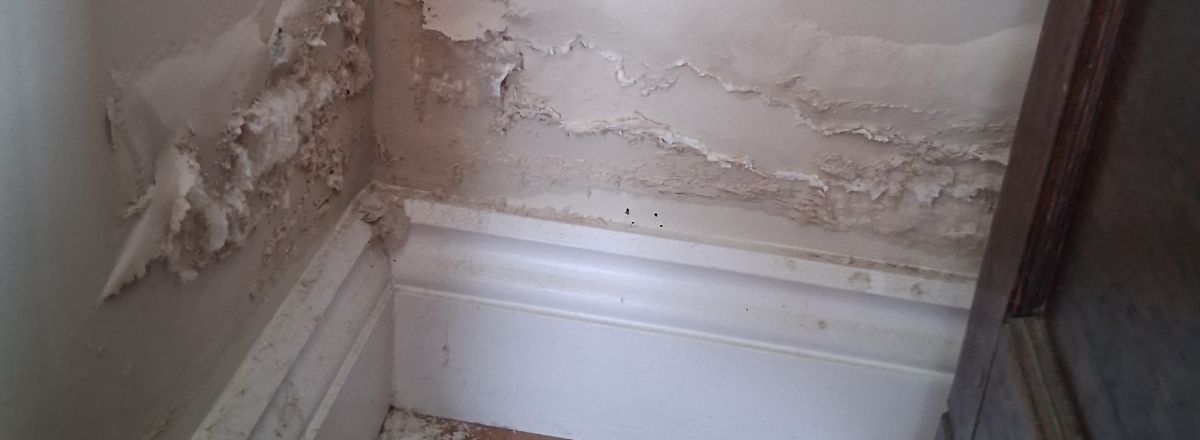
Penetrating damp is caused by water finding its way into a property through a crack or defect somewhere in a building’s exterior. It can be seen at any height on a wall, and is often most noticeable after heavy or prolonged rain. Penetrating damp can usually be identified by damp patches that appear or get worse after rain.
Scotland’s high rainfall and humidity mean that properties are at a higher risk of penetrating damp than other areas. Wind-driven rain penetrating solid rather than cavity walls, as well as older properties lacking damp proof courses, makes Scottish properties more vulnerable.
The longer the moisture or the issue goes unaddressed, the more likely it is to lead to timber decay and structural damage.
Penetrating damp won’t go away on its own. A damp and timber survey can find how water is getting in, and recommend treatments to stop it returning.
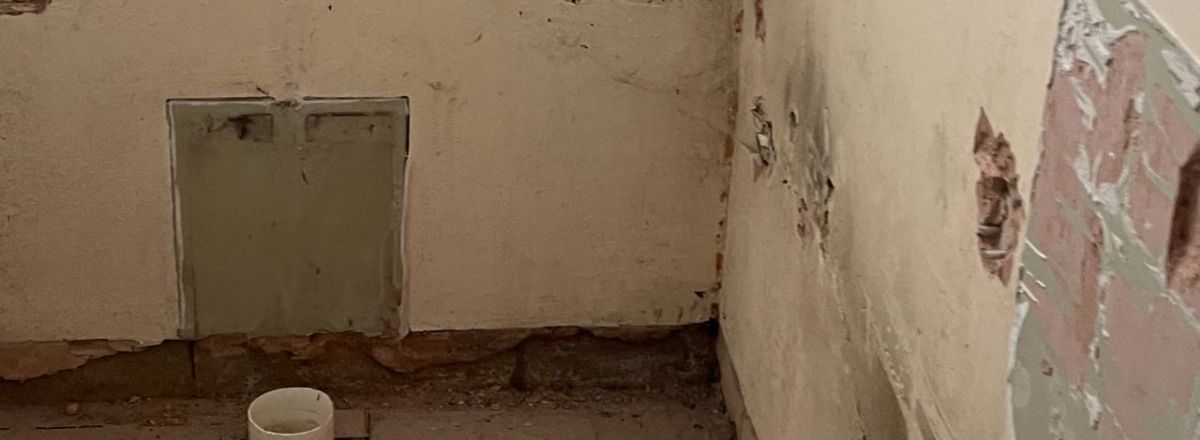
Rising damp is caused by groundwater travelling up through masonry. This only occurs when a property does not have a functioning damp proof course (DPC), or it has become bridged. It is limited to walls on the ground floor, and can usually be identified by tide marks and white salt deposits that appear above skirting board level.
Most Scottish properties have a damp proof course, so are protected from rising damp. However, some older properties may be vulnerable if they were built before damp proof courses became commonplace. But rising damp can still be a problem if a damp proof course breaks or is bypassed.
Rising damp that isn't addressed can damage skirting boards, floorboards, plaster, and cause structural damage.
Even after a damp proof course is installed, damp patches can sometimes return. This is often caused by salt damp, where hygroscopic ground salts left behind by previous rising damp remain in the plasterwork. These trapped salts continue to pull moisture from the surrounding air, creating persistent damp spots even though the original cause of rising damp has been fixed.
If rising damp is damaging your property, a damp and timber survey can find the cause and recommend the right treatment.
Not all damp problems are caused by condensation, penetrating damp, or rising damp. Before assuming a structural cause, it’s worth ruling out other common causes of damp, such as:
When the cause isn't obvious, Wise Property Care can identify it and recommend the right treatment.
To prevent a condensation problem in your home, you need to reduce the amount of moisture being produced or trapped - through increased ventilation, keeping the heat in your property and removing the excess moisture. This can be done by making sure extractor fans are used when cooking, cleaning, washing or drying clothes indoors or a small window is kept open.
Dehumidifiers are often used to remove moisture from the atmosphere, especially in winter. This will remove some moisture internally, but they will quickly fill with water and are not a long-term solution to the problem. You must address the source of excess moisture in a property to create a healthy internal environment.
Sometimes rising damp is caused by a bridged damp proof course from problems such as external high ground levels or internal plastering. For a confirmed rising damp problem, you may require a remedial damp proof course to prevent any further moisture ingress.
Penetrating damp can often be fixed by minor repairs and regular maintenance to prevent the occurrence of building defects. This includes repairs to damaged roof coverings, fixes to external renders, unblocking gutters and drains.
Moist stale air may contain mould spores, dust mite allergens and other volatile organic compounds, typically from cleaning products, hair spray, deodorant and scented candles. These can lead to an internal environment that can contribute to Asthma symptoms.
Mould can cause health issues if a person is immuno-suppressed, very young, elderly or has a specific allergy.
No matter the cause, damp left unchecked can damage your property and affect your health. A damp and timber survey is the most reliable way to find out exactly what’s happening, and what needs to be done to fix it.
A qualified surveyor will inspect the property inside and out, using specialist equipment to identify the source accurately and confirm whether it is condensation, penetrating damp, rising damp, or something else entirely.
Wise Property Care has CSRT and CSTDB qualified surveyors operating from a network of local branches across Scotland. Findings are detailed in a clear report, with honest recommendations and no obligation to proceed with treatment.