Damp Walls
Damp walls can be caused by various defects and can lead to problems like deteriorating plaster and rotten skirting boards

For your Local Experts call us on 0808 301 8231 or Book A Survey Online
Properties across Scotland are typically built with either a suspended timber floor or a concrete floor.
If a concrete floor has not been constructed with a damp proof membrane (DPM) it is susceptible to moisture rising upwards through the ground. This is known as capillary action, and as concrete dries and cures, it will contain microscopic pores and channels that when exposed to moisture can cause the structure to become porous.
A DPM is a waterproof membrane barrier laid under the screed and connected to the damp proof course installed into surrounding walls, creating a continuous barrier preventing damp rising from the ground. If floors were not installed to modern building standards, or the DPM has become damaged, there is no barrier to prevent moisture from rising upwards through the floor.
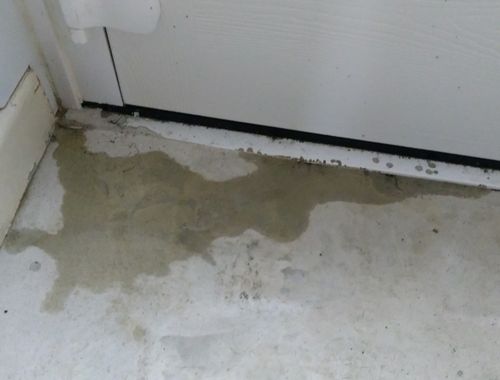
Over time you may notice ground moisture permeating up through the floor, creating damp patches that can in turn damage carpets or lead to warped laminate flooring and wooden floors.
If your property is suffering from damp problems, and you are unsure about the root cause, Wise Property Care are on hand to provide advice and recommendations in the form of a damp and timber survey.
Often stone and concrete floors predate modern standards, and because of the porous nature of concrete and other materials, moisture is able to rise through capillaries into the premises.
Heavy rainfall can lead to moisture coming through a concrete floor, especially if there are building defects externally, or problems with the concrete floor.
Moisture can rise upwards through capillary action, the same way the oil inside a diffuser rises up the reed. If there is no damp proof membrane, ground water can rise upwards through tiny pores in the concrete, so during periods of heavy rain when the water table may be higher, this becomes more noticeable.
Building defects will also cause moisture to appear internally, if there are problems with drains, guttering or the seals around doors are damaged. Water can pool around the foundations of a building, and if there is any debris or construction material that bridges the damp proof course, this can lead to problems internally.
Changes to landscaping externally, such as the removal of a large tree can affect ground moisture levels that can in turn put pressure on the property’s structure.
A damp surveyor will be able to investigate the affected area and help you identify the source of the problem.
To stop moisture and damp appearing on concrete floors you must first identify the source of the problem. Damp can be caused by various different factors, and even excess atmospheric moisture inside the building from cooking and cleaning can cause damp problems on concrete floors.
You must first identify if the problem is caused by condensation, damp rising upwards through capillary action, or from building defects externally such as damaged door seals or blocked drains.
If it's a rising damp problem a possible course of action is applying a waterproof barrier, either through the use of epoxy resins or membranes. This can be a complex repair however, as it can increase pressure on the structure if installed incorrectly. It is important to seek professional advice from a qualified surveyor who can help identify the source of moisture and provide appropriate recommendations.
Treatments specifically for the concrete floors may only be required if there is a confirmed problem with the floor - the problem may go away if you deal with any external building defects causing issues.
That said, there are options available to solve the problem if there is no adequate damp proof membrane below a concrete or stone floor.
The first option is to fully replace the floor by digging up the old concrete and then install a new damp proof membrane, before replacing the floor. This can be labour intensive, costly and disruptive, so there are other alternatives.
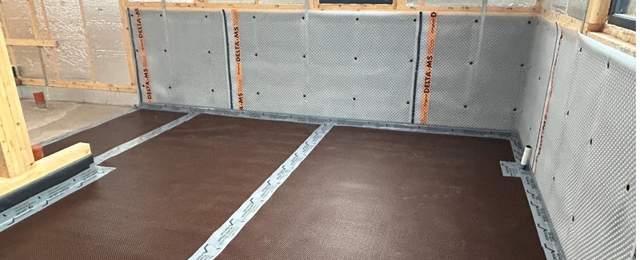
A slim but tough damp proof membrane can be placed over the existing concrete slab, before being connected to the existing damp proof course in the surrounding walls. This will isolate the slab below, creating a waterproof barrier. Either a new floor slab can then be poured on top or a wooden floor installed
Floor membranes are often used as part of below ground waterproofing, and are specifically designed to be tough, hard wearing and watertight.
This may require professional advice by a qualified surveyor, who will provide recommendations if this is a suitable option.
Epoxy resin coatings can be applied across the concrete floor in question, and once dried and cured will create a waterproof seal. This prevents further moisture ingress.
This is a simple treatment that only requires the floor to be cleaned and prepared and the removal of any existing floor coverings.
A qualified surveyor should be consulted before carrying out any treatments, in order to account for water pressure from the ground below, and the impact on any new installations.
Damp problems affecting concrete floors are not always a simple fix, as these damp problems are complex and can be caused by various factors.
If you are unsure about what to do next, and would like advice from a professional surveyor, Wise Property Care are here to help.
A damp and timber survey will give you peace of mind that a qualified professional has inspected your property, both externally and internally, and provides you with solutions specific to your home.
Our surveyors will use a range of different tools and methods to identify the root cause of the problem. All findings will be detailed in a survey report, along with recommendations for treatments where necessary.
We have a number of branches across Scotland, and are on hand to help with damp surveys, whether you are located in Edinburgh, Glasgow or further afield.
When you’re worried about a damp problem, you want to use a company with experienced and specialist surveyors - with the right training and knowledge to reach the proper diagnosis.
Wise Property Care have both CSRT (Certificated Surveyor in Remedial Treatments) and CSTDB (Certificated Surveyor of Timber and Dampness in Buildings) qualified surveyors operating from a network of local branches - meaning no matter where you are in Scotland, we have a surveyor local to you.
Wise Property Care have been fixing condensation and mould problems and building value back into Scottish properties since 1996.
We have a proven track record working with homeowners, social housing and commercial clients across Scotland, delivering effective preservation solutions while ensuring full compliance with industry regulations and health and safety standards.
We are proud members of the Property Care Association (PCA), the trade association that governs our industry. This means you can trust you’re getting professional and honest advice, and treatments following the industry best practice.
Wise Property Care are endorsed by Which? Trusted Trader - meaning our customer service and workmanship has passed rigorous trading standards assessments.